Leading the Workforce After Layoffs: A Sample Speech

Post-Layoff Speechfigure giving a speech from a podium to a group

A post-layoff speech needs to encourage and inspire your remaining team.

Layoffs are one of the hardest experiences any organization can undergo. The people who remain often feel a mixture of relief, guilt, anxiety, anger, and uncertainty – sometimes all before lunch. As a life coach and communication strategist, I’m often asked,

“What do I say to the team that’s still here, especially when I’m asking them to do more without more pay?”

You can’t spin this into a pep rally, and you shouldn’t try. What you can do is speak with honesty, gratitude, and vision in a way that helps your people reconnect to purpose and to one another. Below is a framework and a sample speech you can adapt for your own company meeting or video message. Continue Reading →

Giving Care to Caregivers

Giving – to the point of exhaustion and poor health – is something common to caregivers who devote most of their time and portions of their lives to patients and other people with mobility and related issues. (Note: in the interests of brevity, I’ll use the term “patient” generically, knowing that not all people who need the services of a caregiver are literal patients.) The question arises: what can those of us who are friends, family, counselors, or other interested parties do that will help the caregivers SIGNIFICANTLY as they journey through their duties? Continue Reading →

Coping with Anxiety | Face and Embrace

Anxiety? I promise not to tell you, “Take three deep, cleansing breaths,” or “Count to ten,“ although that, too, would be helpful as a start!

laughing smiley face

Instead, I’ll recap some points covered in an inspirational Zoom session I had recently with some of my Life Coach colleagues. We talked about ways in which anxiety is a

helpful messenger

motivator

tool for success

in both business and personal situations.

We shall look at some examples. (If you’re in a hurry or just want to – scroll past the definitions to “get to the meat” of the conversation. Look for the heading, “Pain Is the Point – In a Good Way!”) Scroll to the end to find books as reference materials, if you want to learn more from experts on the subject. Continue Reading →

Alzheimer’s Disease and Other Forms of Dementia

Alzheimer’s Disease and Other Forms of Dementia

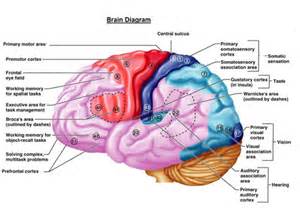
BrainNormal Brain does not show signs of Alzheimer's     Is it really Alzheimer’s Disease or a different issue?

 What does your brain look like? 

What can you do to maintain good brain health? 

The Alzheimer’s Association

There are many resources and options available now as our scientists learn more and more daily.  I believe in advocacy on several social issues, of which this is one.  I learn a lot from the Alzheimer’s Association, and so can you at:   (http://www.alz.org/.

That is a link to the Alzheimer’s Association website, where you can take a tour of the brain! 

You don’t have to have Alzheimer’s to find this fascinating, as it shows you how the brain works in a way that you can see and understand it.  http://www.alz.org/alzheimers_disease_4719.asp.  To learn more about the disease itself, you can visit this part of their website:  http://www.alz.org/alzheimers_disease_what_is_alzheimers.asp..

For Wikipedia’s definition of Alzheimer’s Disease, see this link:  http://en.wikipedia.org/wiki/Alzheimer%27s_disease

Alzheimer’s disease (AD), also known in medical literature as Alzheimer’s disease, is the most common form of dementia. There is no cure for the disease, which worsens as it progresses and eventually leads to death. It was first described by German psychiatrist and neuropathologist Alois Alzheimer in 1906 and was named after him.[1] Most often, AD is diagnosed in people over 65 years of age,[2] although the less-prevalent early-onset Alzheimer’s can occur much earlier. In 2006, there were 26.6 million sufferers worldwide. Alzheimer’s is predicted to affect 1 in 85 people globally by 2050.[3]

Here is another link, from the National Institutes of Health and National Institute on Aging:  http://www.nia.nih.gov/alzheimers/topics/alzheimers-basics.

What I hope to accomplish with blogs about Alzheimer’s Disease is to teach people about the disease, as well as how to cope with it or to provide care to others who experience it. So, I’ll be posting more on this topic in the future as medical breakthroughs are achieved and/or as people begin to understand it better.

Part of what I’ll be posting about is how to give aid and comfort to caregivers. These people are often family members who have been ill-prepared for the challenges to come. I have suggestions. Click here to see them.


Self-Care Is the New Health Care

Let’s Get Well, Stay Well, and Live Well!

My Persuasive Presentations and My Get Well Guru plus the book Nancy Wyatt authored - logo for post about Alzheimer's Disease

← Back

Thank you for your response. ✨