
Alzheimer’s Disease and Other Forms of Dementia
 Is it really Alzheimer’s Disease or a different issue?
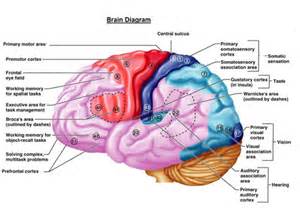
What does your brain look like?
What can you do to maintain good brain health?
The Alzheimer’s Association
There are many resources and options available now as our scientists learn more and more daily. I believe in advocacy on several social issues, of which this is one. I learn a lot from the Alzheimer’s Association, and so can you at: (http://www.alz.org/.
That is a link to the Alzheimer’s Association website, where you can take a tour of the brain!
You don’t have to have Alzheimer’s to find this fascinating, as it shows you how the brain works in a way that you can see and understand it. http://www.alz.org/alzheimers_disease_4719.asp. To learn more about the disease itself, you can visit this part of their website: http://www.alz.org/alzheimers_disease_what_is_alzheimers.asp..
For Wikipedia’s definition of Alzheimer’s Disease, see this link: http://en.wikipedia.org/wiki/Alzheimer%27s_disease
Alzheimer’s disease (AD), also known in medical literature as Alzheimer’s disease, is the most common form of dementia. There is no cure for the disease, which worsens as it progresses and eventually leads to death. It was first described by German psychiatrist and neuropathologist Alois Alzheimer in 1906 and was named after him.[1] Most often, AD is diagnosed in people over 65 years of age,[2] although the less-prevalent early-onset Alzheimer’s can occur much earlier. In 2006, there were 26.6 million sufferers worldwide. Alzheimer’s is predicted to affect 1 in 85 people globally by 2050.[3]
Here is another link, from the National Institutes of Health and National Institute on Aging: http://www.nia.nih.gov/alzheimers/topics/alzheimers-basics.
What I hope to accomplish with blogs about Alzheimer’s Disease is to teach people about the disease, as well as how to cope with it or to provide care to others who experience it. So, I’ll be posting more on this topic in the future as medical breakthroughs are achieved and/or as people begin to understand it better.
Part of what I’ll be posting about is how to give aid and comfort to caregivers. These people are often family members who have been ill-prepared for the challenges to come. I have suggestions. Click here to see them.


